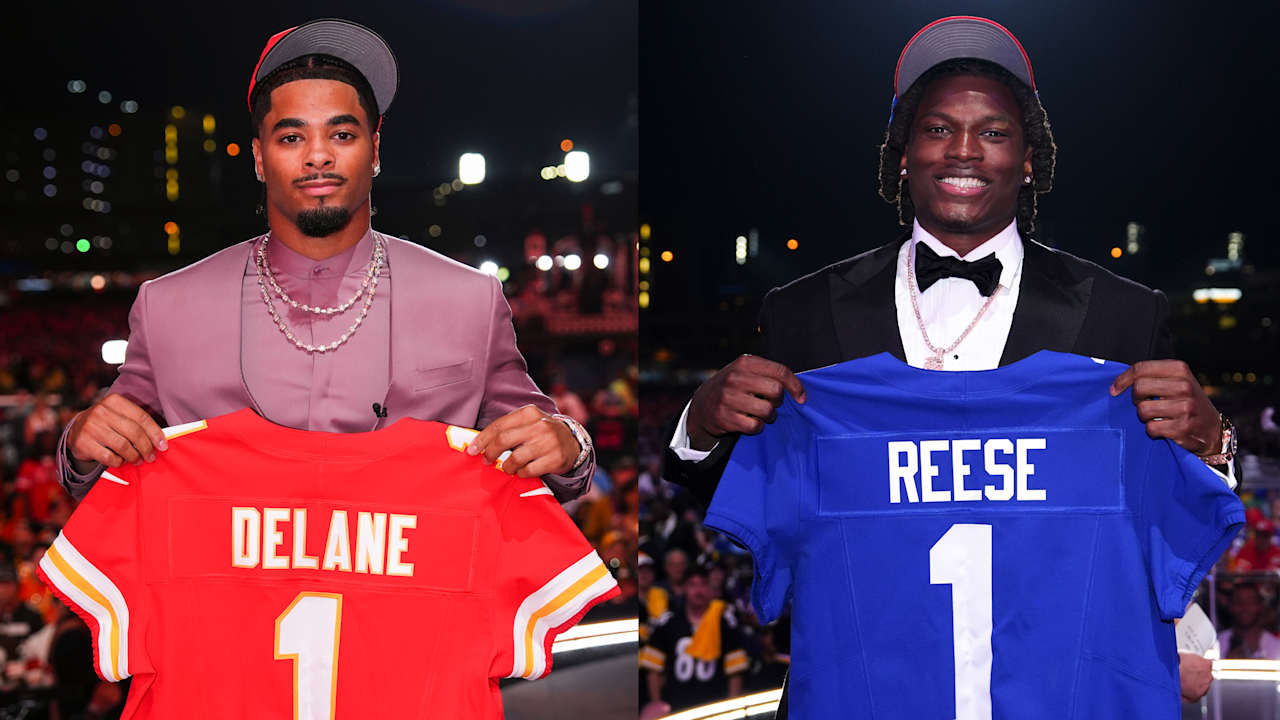
The Kansas City Chiefs sit atop the NFL power rankings once again, not because of a flashy free-agent splash or a late-season rally—but because they played the long game better than anyone in the 2026 NFL Draft. Meanwhile, the San Francisco 49ers, despite another solid season, find themselves under the microscope for a familiar flaw: reaching on draft picks too early, too often.
This isn’t just about one draft class. It’s about organizational philosophy, risk tolerance, and how front offices balance immediate needs against sustainable success. The Chiefs’ calculated rise contrasts sharply with the 49ers’ recurring draft overreach—two models, one outcome: power shifts in the NFL.
Why the Chiefs Are Climbing—Again
Kansas City didn’t land a franchise-altering quarterback or trade up for a can’t-miss edge rusher. Instead, they did what elite franchises do: they maximized value. With savvy Day 2 selections and a Day 3 gem at linebacker, the Chiefs fortified their depth without sacrificing future flexibility.
Their first pick, a third-round cornerback from Oregon, filled a critical need left by a retiring veteran. But it wasn’t the pick itself—it was the price. The Chiefs moved down twice in the second round, accumulating extra picks while still landing a player graded as a second-rounder on most boards. That kind of draft capital efficiency doesn’t make headlines, but it builds dynasties.
The Hidden Metric: Draft Capital ROI
Most fans focus on Pro Bowls or starts. But real power ranking movement starts with return on investment (ROI) from draft picks. Kansas City’s 2026 class delivered three immediate rotational players and retained a second-round pick in 2027—something few teams manage. Compare that to teams trading up impulsively, and the gap widens fast.
Common mistake: Overvaluing “need” over “value.” Every team has needs. Elite teams wait for value to intersect with need. The Chiefs did.
49ers Repeat a Costly Draft Pattern
The San Francisco 49ers selected a developmental tight end in the first round—again. A talented athlete from a Power 5 school, sure. But a player most analysts projected as a mid-second-rounder? Yes.
This isn’t new. Since 2020, the 49ers have traded up in the first round four times. Three of those resulted in players who failed to justify the draft slot or long-term contract. The pattern suggests an organizational bias: overconfidence in their evaluation, underestimating consensus value.
Reaching vs. Rebuilding
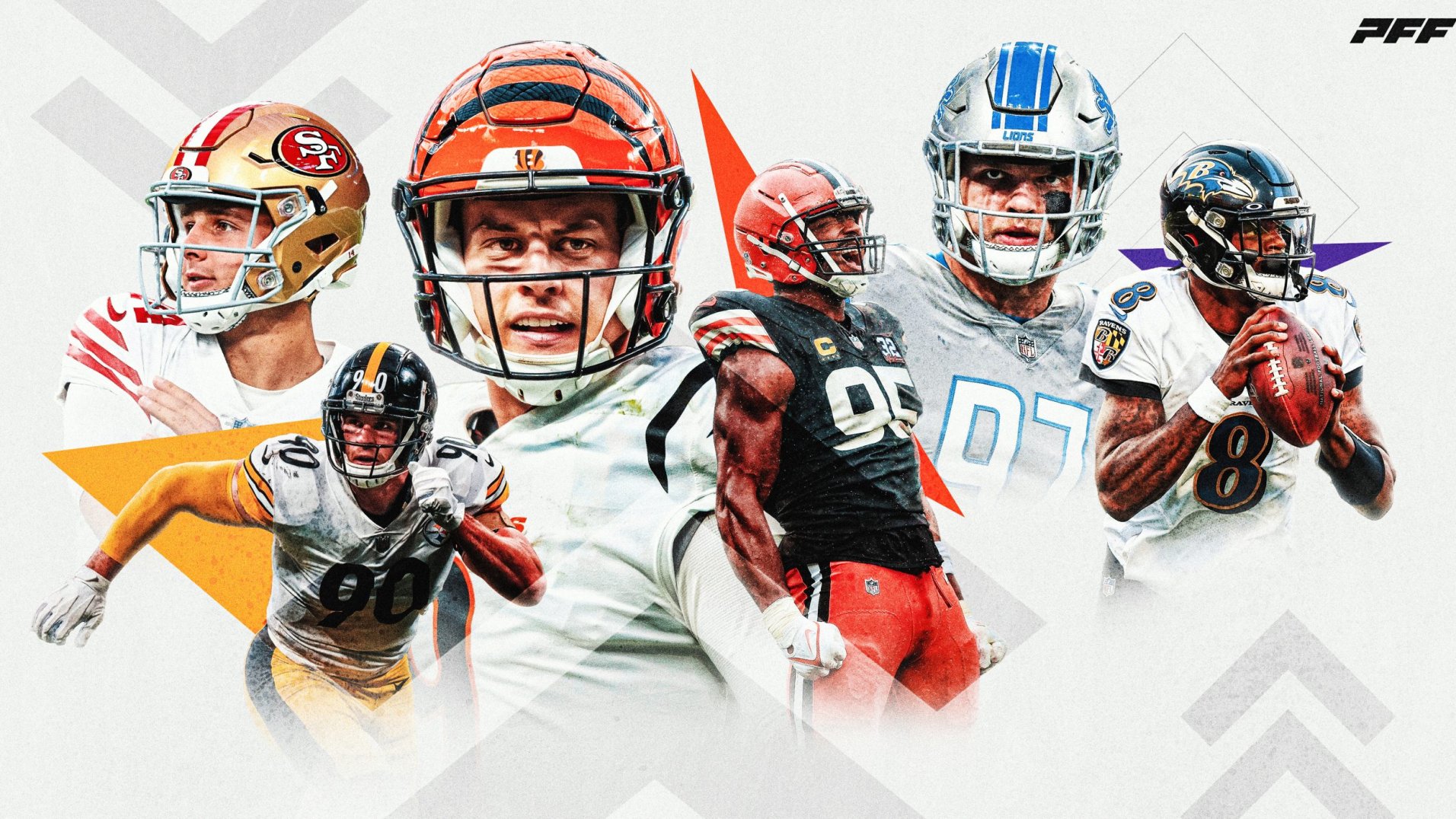
Reaching isn’t always bad. If you believe in a player and he pans out, it’s a win. But when it becomes a habit, it exposes a deeper issue: impatience. The 49ers, despite consistent playoff appearances, still lack a clear succession plan at quarterback and have seen their defensive core age rapidly. Instead of stockpiling picks to reload, they keep mortgaging to retool.
Example: 2024’s first-round safety pick. Injury-prone in college, but the 49ers loved his fit in scheme. He’s missed 22 games in two seasons. Now they’re back in the market—again—without the draft ammo to fix it cleanly.
How Draft Strategy Shapes Power Rankings
Power rankings aren’t snapshots—they’re projections. A team’s draft performance doesn’t just impact next season; it reshapes their ceiling for the next five years. The Chiefs’ steady accumulation gives them flexibility to absorb injuries, explore trades, and develop without pressure. The 49ers? They’re one major injury away from a rebuild.
Real-World Impact: Roster Depth and Trade Leverage
Let’s compare depth charts entering 2026:
| Position | Chiefs (2026 Depth) | 49ers (2026 Depth) |
|---|---|---|
| Starting QB | Patrick Mahomes (age 31) | Brock Purdy (age 27) |
| Backup QB | Second-year sleeper, Day 3 pick | Veteran journeyman |
| Starting CB | 1st & 3rd round talent | 1st round (injury-prone) |
| Starting OLB | Two proven starters + rookie rotation | One star, one question mark |
| Draft picks (2027) | 8, including 2nd-rounder | 5, none in top 60 |
The Chiefs have options. The 49ers are one misstep from crisis.
Evaluating “Reach” in the Modern Draft
What exactly is a “reach”? It’s not just picking a player earlier than consensus. It’s sacrificing value—via trade-ups, overpaying in assets, or selecting a player with known red flags without a clear plan.
The 49ers’ tight end pick had drops issues and limited route tree exposure. The Chiefs’ third-rounder had a medical check but cleared it with specialist input. One was a calculated risk. The other was a projection too far, too early.
When Reaching Works (And When It Doesn’t)
- Reaching works when:
- The player fills a critical scheme need
- The team has elite development resources
- The cost isn’t excessive (e.g., moving up 5 spots, not 20)
- There’s a clear path to contribution
- Reaching fails when:
- The player lacks proven production
- The trade-up costs a future pick or starter
- The team already has depth at the position
- The selection is based on “intangibles” over film
The 49ers’ pick checked too many “fail” boxes. The Chiefs stayed disciplined.
Sustained Success vs. Short-Term Fixes
The Chiefs aren’t chasing today’s headlines. They’re building for the post-Mahomes era. Their 2026 draft class included a developmental quarterback in the sixth round—not as a savior, but as a project with arm talent and mobility. He won’t start in 2026, but he might in 2029.
The 49ers, in contrast, have made just one pick in the fifth round or later over the past two drafts. That’s a warning sign. Missing on late-round talent isn’t just bad luck—it’s poor scouting infrastructure.
Organizational Health Check: The Draft as a Mirror
A team’s draft strategy reflects its internal health: - Front office stability: Chiefs’ GM remains, building continuity - Scouting depth: Chiefs invested in regional scouts after 2023 misses - Coaching confidence: Kansas City trusts its staff to develop mid-round picks - Cap management: Chiefs extended key role players without overpaying
The 49ers have strong coaching and a loyal QB—but their draft behavior suggests a front office that feels pressure to win now, even at the cost of later.
Power Rankings Are a Forecast—Not a Scoreboard When analysts rank the Chiefs No. 1 post-draft, they’re not just rating last season’s results. They’re projecting: - Who has the best shot at the Super Bowl in 2026? - Who can survive injuries? - Who has the draft ammo to make a midseason trade?
The Chiefs win on all three. The 49ers are strong contenders, but their draft strategy introduces risk. One bad break at quarterback, and they’re scrambling.
Case Study: The 2023 Dolphins vs. 2026 49ers
In 2023, Miami traded up aggressively, reaching on a receiver and edge rusher. Both underperformed. By 2025, they were rebuilding. The 49ers are on a similar path—only with a smarter coach and a healthier QB. But draft capital doesn’t last forever.
History shows teams that consistently reach peak early—then fall hard. The Chiefs, by contrast, peak later and stay longer.
What Lies Ahead: 2026 Season Outlook
The Chiefs enter 2026 with the league’s best balance: - A still-dominant Mahomes - A defense upgraded through smart drafting - Cap space to absorb injuries - A coaching staff that thrives in high-pressure moments
The 49ers? They’ll be competitive. Purdy is elite when healthy. Their offensive line is still among the best. But their draft choices leave them thin at key spots, and their lack of late-round picks reduces insurance against attrition.
If both teams make the playoffs, the Chiefs have the edge in roster resilience. In a seven-game sprint to the Super Bowl, depth wins.
Final Word: Build for Now, But Never Ignore Tomorrow
The difference between the Chiefs and 49ers isn’t talent—it’s discipline. Kansas City resisted the urge to overpay in the draft, stuck to value, and emerged stronger. San Francisco, eager to complete the puzzle, reached again.
Power rankings reflect more than wins. They reflect sustainability.
For fans and front offices alike: draft wisely, not desperately. The Chiefs are rising because they understand that. The 49ers are still good—just not as smart.
Actionable Insight: Track not just who teams pick, but how much they pay in draft capital. A first-round pick traded for two seconds? That’s smart. A first-rounder for a tight end with 32 college starts? That’s risk disguised as urgency.
Frequently Asked Questions
Why are the Chiefs rising in power rankings after the draft? Because they maximized value, added depth, and preserved future draft capital—hallmarks of sustainable success.
Did the 49ers make any good picks in 2026? Their second- and third-round selections have upside, but their first-round pick was widely seen as a reach given available talent.
Is reaching on a draft pick always a bad move? No. If the player fits a critical need and the cost isn’t excessive, it can work. But doing it repeatedly exposes flawed evaluation.
How do draft decisions affect power rankings? They reflect a team’s long-term health, depth, and ability to withstand injuries—key factors in playoff success.
Can the 49ers still win the Super Bowl in 2026? Yes, especially if Brock Purdy stays healthy and their core performs. But their roster has less margin for error than the Chiefs’.
What makes the Chiefs’ draft strategy different? They prioritize value, trade down when possible, and invest in Day 2 and 3 development—building depth over headlines.
Are power rankings influenced by draft performance? Absolutely. A strong draft boosts a team’s projected ceiling and resilience, which analysts weigh heavily.
FAQ
What should you look for in Chiefs Surge in NFL Power Rankings After Draft Haul? Focus on relevance, practical value, and how well the solution matches real user intent.
Is Chiefs Surge in NFL Power Rankings
After Draft Haul suitable for beginners? That depends on the workflow, but a clear step-by-step approach usually makes it easier to start.
How do you compare options around Chiefs Surge in NFL Power Rankings After Draft Haul? Compare features, trust signals, limitations, pricing, and ease of implementation.
What mistakes should you avoid? Avoid generic choices, weak validation, and decisions based only on marketing claims.
What is the next best step? Shortlist the most relevant options, validate them quickly, and refine from real-world results.