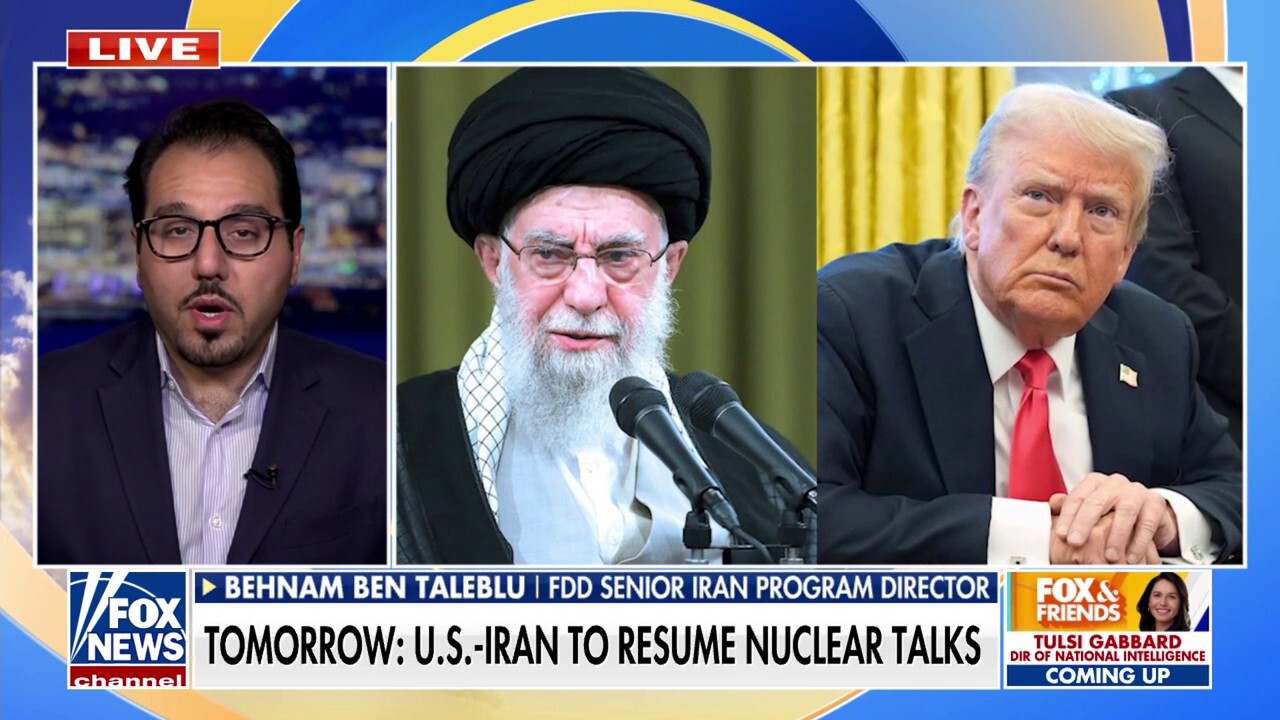
Diplomacy has become Iran’s weapon of choice in recent months—not through concessions, but through calculated expansion. While Tehran faces tightening sanctions and regional isolation, it’s responded not with retreat, but with a surge of diplomatic activity across Asia, Africa, and even Europe. At the same time, former President Donald Trump continues to claim the U.S. holds all the cards, positioning American power as inescapable and dominant. This clash of narratives—one of agile outreach, the other of unyielding pressure—defines a pivotal moment in 21st-century geopolitics.
The world is watching a paradox unfold: a sanctioned nation amplifying its global voice, while the world’s most powerful country insists its leverage remains absolute. Understanding this duality is key to forecasting the next phase of U.S.-Iran relations, regional stability, and the future of nuclear diplomacy.
Iran’s Diplomatic Expansion: Beyond Survival
Iran isn’t just reacting to pressure—it’s reshaping its strategic position. Over the past year, Iranian officials have held high-level meetings with leaders in China, Russia, Syria, Iraq, Armenia, and several African nations. In early 2023, Foreign Minister Hossein Amir-Abdollahian visited Ethiopia, Nigeria, and Zimbabwe, promoting trade, energy cooperation, and anti-colonial solidarity.
This isn’t random outreach. Iran is building a network of non-Western partnerships to counterbalance U.S. influence. Key goals include:
- Securing alternative trade routes to bypass U.S.-dominated financial systems
- Gaining diplomatic cover in international bodies like the UN and IAEA
- Expanding defense and intelligence ties, particularly with Russia and China
- Positioning itself as a leader of the Global South, framing sanctions as imperial overreach
Take the Iran-Saudi rapprochement, brokered by China in 2023. Once bitter rivals, Tehran and Riyadh restored diplomatic relations—a move that shocked analysts and diminished U.S. centrality in Gulf security. This wasn’t just about easing tensions; it signaled that regional powers no longer need Washington’s approval to make strategic decisions.
Iran’s diplomacy isn’t about appeasement. It’s about creating a multipolar world where U.S. pressure can be diluted, if not defied.
Trump’s “We Have the Cards” Doctrine
Donald Trump’s foreign policy, particularly toward Iran, was built on maximum pressure. His administration withdrew from the JCPOA (Iran nuclear deal) in 2018, reimposed harsh sanctions, and targeted top Iranian officials like Qasem Soleimani in a drone strike.
Even out of office, Trump continues to assert that the U.S. “has the cards.” In speeches and interviews, he claims his policies crippled Iran’s economy and left Tehran with no choice but to negotiate on American terms.
His argument rests on three pillars:
- Economic sanctions work – Iran’s GDP contracted sharply after 2018, inflation soared, and the rial collapsed.
- Military deterrence is effective – The killing of Soleimani, Trump argues, sent a clear message.
- Diplomacy only works from strength – Trump believes Biden’s attempts to rejoin the nuclear deal reward weakness.

But this narrative overlooks a critical reality: sanctions haven’t stopped Iran’s regional ambitions or its nuclear progress. In fact, they may have accelerated both.
The Limits of Maximum Pressure
Sanctions have hurt Iran’s economy—there’s no denying that. But they haven’t achieved their core strategic objectives.
Common Mistakes in U.S. Sanctions Policy:
- Failing to account for adaptation: Iran developed shadow fleets, barter systems, and cryptocurrency workarounds to sustain oil exports.
- Alienating allies: European nations opposed the JCPOA withdrawal, weakening transatlantic coordination.
- Empowering hardliners: Economic pain strengthened hardline factions in Tehran who oppose compromise with the West.
Worse, Iran’s uranium enrichment has advanced rapidly. By 2024, it had enriched uranium to 60%—a short technical step from weapons-grade. This progress occurred despite sanctions, not because of their absence.
Trump’s insistence that “we have the cards” ignores the fact that Iran has played its own hand skillfully—using diplomacy to offset pressure, not surrender under it.
Strategic Miscalculations on Both Sides
The current standoff reveals miscalculations from both Tehran and Washington’s former administration.
Iran’s Overreach Risks:
- Dependence on unreliable allies: While ties with Russia and China are strong, both prioritize their own interests. Moscow, for instance, has sold weapons to Iran’s rivals like Azerbaijan.
- Backlash from regional populations: Iran’s support for militias in Yemen, Syria, and Lebanon breeds resentment, limiting soft power.
- Overconfidence in diplomatic immunity: High-profile visits don’t guarantee protection. Israeli strikes on Iranian targets in Syria continue.
Trump’s Blind Spots:
- Equating economic pain with strategic victory: Sanctions don’t automatically translate to compliance. North Korea is a cautionary tale.
- Underestimating diplomatic resilience: Nations under pressure often seek new alliances, not surrender.
- Ignoring long-term costs: Maximum pressure eroded U.S. credibility with allies and fueled anti-American sentiment in the region.
Both sides are playing a high-stakes game, but neither has a clear path to decisive victory.
The Role of China and Russia
Iran’s diplomatic flurry gains meaning in the context of rising Sino-Russian influence. Both powers are actively helping Tehran circumvent U.S. pressure.
- China: Signed a 25-year strategic partnership with Iran in 2021, including $400 billion in investments in energy and infrastructure. Beijing also brokered the Saudi-Iran deal, positioning itself as a neutral mediator—unlike the U.S., which is seen as biased toward Israel and Saudi Arabia.
- Russia: Cooperating with Iran on drones, intelligence, and Syria. Iranian drones have been used in Ukraine, deepening military ties.
For Iran, these relationships offer economic lifelines and diplomatic protection. For China and Russia, Iran is a tool to challenge U.S. dominance in the Middle East.
Trump’s claim that the U.S. “has the cards” rings hollow when major global players are actively building alternatives to American-led order.
Real-World Implications: The Middle East Shifts
The consequences of this diplomatic tug-of-war are already visible.

Case Study: Iraq’s Balancing Act Once a U.S. ally, Iraq now hosts both American troops and Iranian-backed militias. Prime Minister Mohammed Shia al-Sudani maintains ties with Washington while deepening economic relations with Tehran. This neutrality isn’t indecision—it’s survival in a multipolar region.
Case Study: Gulf States Diversify Alliances UAE and Saudi Arabia are investing in relations with China, India, and even Iran. The Abraham Accords opened doors to normalization with Israel, but Gulf states are careful not to fully align with U.S. policy.
Case Study: Energy Markets React Iran’s efforts to boost oil exports—despite sanctions—have kept global prices in check. When Venezuela and Iran both increase shipments to China, it undermines OPEC+ control and reduces U.S. energy leverage.
These shifts show that power in the Middle East is no longer unipolar. Iran’s diplomacy isn’t reversing sanctions, but it’s changing the rules of the game.
What Comes Next? Scenarios Ahead
The path forward depends on multiple variables—U.S. elections, Iran’s internal politics, and global power dynamics.
Scenario 1: Trump Returns, Reapplies Maximum Pressure If Trump wins in 2024, he’ll likely re-impose sanctions and demand stricter terms for any nuclear deal. But Iran, having survived previous pressure, may refuse to engage—leading to heightened tensions and potential conflict.
Scenario 2: Diplomatic Window Reopens A Biden re-election or a moderate Republican victory could open space for indirect negotiations. Iran may offer temporary caps on enrichment in exchange for partial sanctions relief. But mutual distrust remains high.
Scenario 3: Regional Conflict Escalates Miscalculations—such as an attack on an Israeli target blamed on Iran, or a strike on a U.S. base in Syria—could spiral into broader conflict. Diplomacy may not stop a chain reaction.
The most likely outcome? A prolonged stalemate—neither war nor peace, but continuous maneuvering.
A New Era of Asymmetric Diplomacy
Iran’s flurry of diplomacy isn’t a sign of weakness. It’s a strategy for survival and influence in a hostile environment. By building alliances, exploiting divisions among adversaries, and leveraging its regional presence, Iran has turned isolation into opportunity.
Trump’s insistence that the U.S. holds all the cards reflects an outdated view of power—one based solely on military and economic dominance. But in today’s world, diplomatic agility, narrative control, and strategic patience matter just as much.
The lesson isn’t that sanctions don’t work. It’s that they’re not enough. Power is no longer monopolized by superpowers. It’s distributed, contested, and redefined daily by nations that know how to play the long game.
For U.S. policymakers, the challenge is clear: rethink leverage. For Iran, the danger is overreach. And for the world, the stakes couldn’t be higher.
Take action: Monitor Iran’s upcoming engagements with Global South nations, track energy export data beyond official channels, and assess how regional actors position themselves between Washington and Tehran. The real battle isn’t just over nukes—it’s over influence.
FAQ
What should you look for in Iran’s Diplomatic Surge Meets Trump’s Tough Talk? Focus on relevance, practical value, and how well the solution matches real user intent.
Is Iran’s Diplomatic Surge Meets Trump’s Tough Talk suitable for beginners? That depends on the workflow, but a clear step-by-step approach usually makes it easier to start.
How do you compare options around Iran’s Diplomatic Surge Meets Trump’s Tough Talk? Compare features, trust signals, limitations, pricing, and ease of implementation.
What mistakes should you avoid? Avoid generic choices, weak validation, and decisions based only on marketing claims.
What is the next best step? Shortlist the most relevant options, validate them quickly, and refine from real-world results.