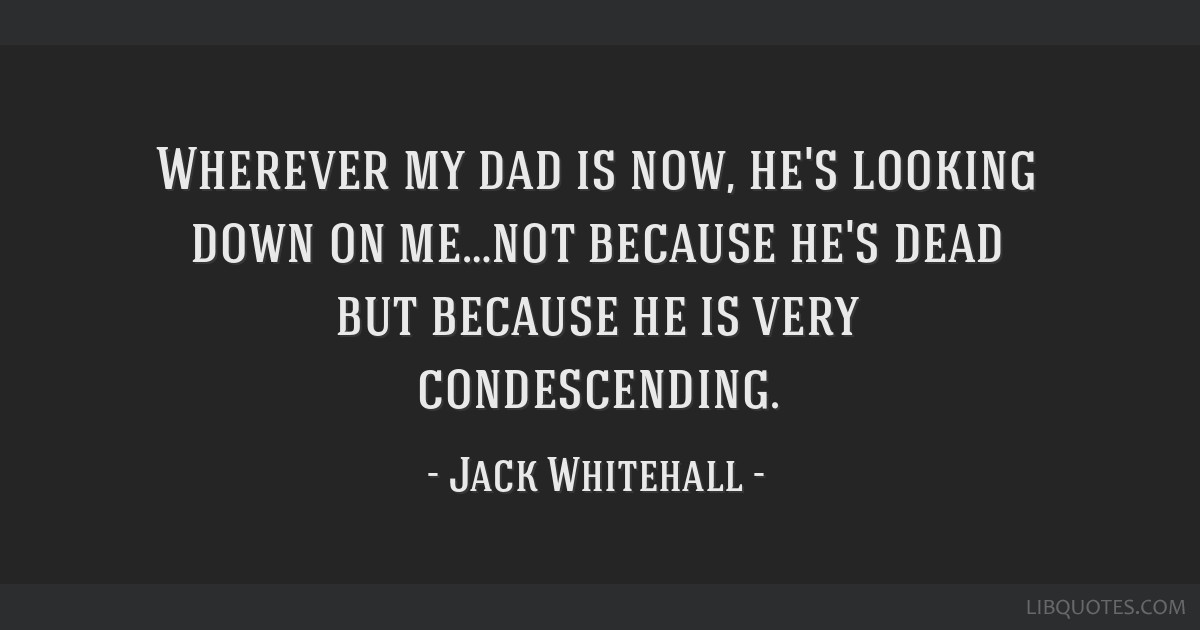
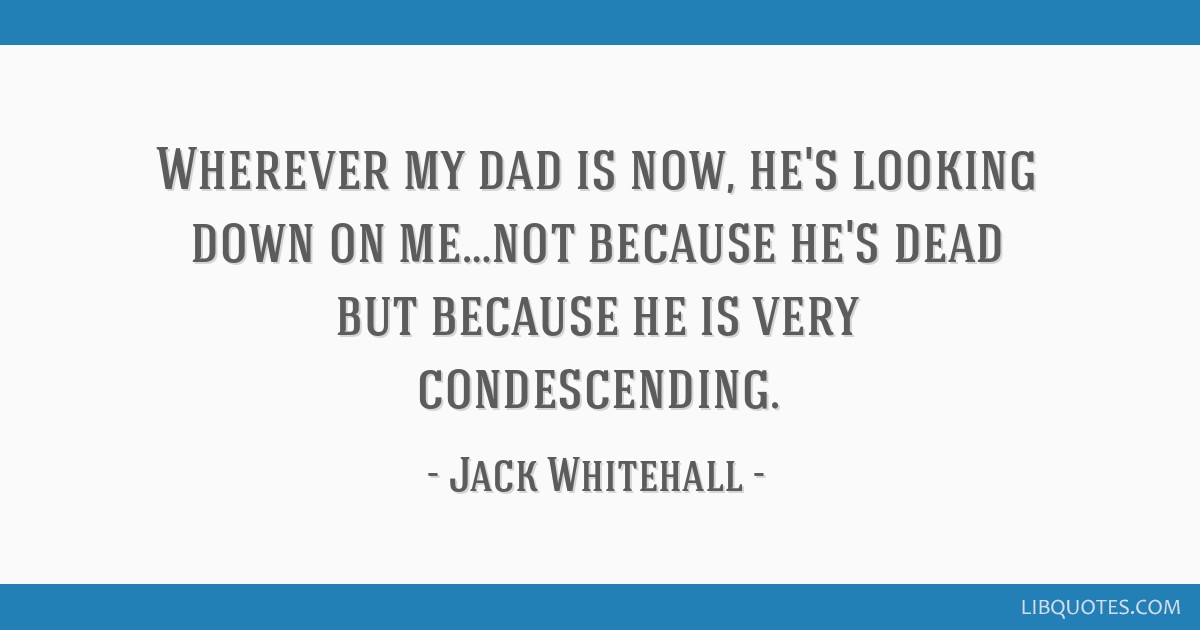
Jack Whitehall didn’t need a funeral or a eulogy to deliver one of the most unexpectedly insightful lines about family, presence, and human behavior. When he said, “I’m sure wherever my dad is, he’s looking down on us. He’s not dead, just very, very far away,” he wasn’t just poking fun at his notoriously reserved father, Michael Whitehall—he was revealing a layered truth about relationships, emotional distance, and the masks we wear in professional and personal life.
What makes this quote of the day stand out isn’t just the comedic timing—it’s the emotional precision. Beneath the absurdity lies a commentary on modern work culture, the illusion of connection, and how we navigate honesty in a world that often rewards performance over authenticity.
Let’s break down why this one-liner from the English comedian, actor, writer, and television personality has so much staying power—and what it quietly teaches us about life.
The Comedic Genius Behind the Quote
Jack Whitehall’s humor thrives on contrast—between expectation and reality, affection and detachment, love and embarrassment. This particular quote emerged during one of his stand-up specials, where he reflects on his relationship with his father, a former talent agent known for his stoic, old-school British demeanor.
The joke lands because it’s relatable. Many of us have parents—or bosses, or colleagues—who are physically present but emotionally distant. By framing his father as “looking down on us” while still alive, Jack turns a cliché into a sharp observation. The humor is in the inversion: we use “looking down on us” to mean a deceased loved one is watching from heaven. Jack flips it to mean emotional absence masked as physical proximity.
This isn’t just comedy. It’s social commentary disguised as a punchline.
Honesty Through Absurdity: Why It Works
Comedy often reveals truths that straight conversation avoids. Jack’s quote about his dad is a masterclass in using absurdity to expose honesty.
Consider the workplace. How many times have you sat in a meeting with a manager who’s technically “present” but mentally checked out? They’re in the room, but you can tell they’re not engaged—they’re looking down on us, but they’re not dead, just very, very far away.
Jack’s line captures that disconnect perfectly. It’s not just about family dynamics—it’s about how people show up (or don’t) in every area of life.
Real-world example: Imagine a company leader who insists on being “accessible” but responds to emails weeks later, speaks in vague corporate jargon, and never remembers your name. They’re not dead. But emotionally? They might as well be on another planet.
Jack’s quote teaches us that presence isn’t just physical. True connection requires emotional availability—and humor like his exposes when that’s missing.
Work Culture and Emotional Distance
Modern work culture often glorifies busyness, detachment, and “professionalism” at the cost of humanity. Jack’s joke about his dad mirrors a widespread issue: leadership that’s technically functional but emotionally barren.
In many corporate environments, managers are trained to be “authoritative” rather than approachable. They maintain distance to preserve status. But this creates a culture of surface-level interactions, where employees feel observed but not seen.
Jack’s father, Michael, embodies this archetype—the impeccably dressed, unflappable agent who never shows emotion. In their Netflix travel documentaries, Michael’s deadpan reactions to Jack’s antics are a running gag. But they also highlight a generational divide in emotional expression.
What we can learn: - Emotional distance doesn’t make someone better at their job—it often makes collaboration harder. - Leaders who are present, responsive, and human build stronger teams. - Humor, like Jack’s, can be a tool to call out dysfunction without confrontation.
Jack doesn’t attack his father. He uses comedy to process and reframe the distance. In doing so, he models a healthier way to deal with emotional gaps—through observation, not resentment.
Human Nature and the Masks We Wear
At its core, the quote is about human nature: our tendency to hide, perform, and avoid vulnerability—even with those closest to us.
Michael Whitehall isn’t actually “very, very far away.” He’s sitting right beside Jack on a motorcycle in Thailand or hiking through Croatia. But emotionally, he’s distant. And Jack, the son desperate for approval and connection, feels that gap acutely.
This dynamic isn’t unique to celebrity families. It’s a universal experience.
- The employee who laughs at their boss’s bad jokes but dreads one-on-ones.
- The partner who shares a bed but not their fears.
- The friend who’s always “fine” but clearly isn’t.
Jack’s quote resonates because it names something we all recognize: people can be right in front of us and still feel unreachable.
Common mistake: We assume physical presence equals emotional engagement. But as Jack’s joke shows, someone can be with you and still be miles away.
The antidote? Intentionality. Asking real questions. Listening without judgment. Showing up with vulnerability, not just visibility.
The Role of Humor in Truth-Telling
Jack Whitehall’s quote works because it wraps hard truths in humor. It’s easier to accept criticism when it makes us laugh.
Think about how often we use jokes to address uncomfortable topics: - “My fiancé’s idea of romance is not snoring too loud.” - “My boss says he trusts me with autonomy—autonomy to figure out everything myself.”
These aren’t just punchlines. They’re coded messages about loneliness, neglect, and misaligned expectations.
Humor gives us permission to speak honestly without starting a fight. Jack uses it to talk about his father’s emotional reserve—not with bitterness, but with affectionate clarity.
For professionals, this is a powerful lesson: You don’t have to choose between being kind and being honest. Well-crafted humor can be both.
Workflow tip: Next time you need to give tough feedback, consider framing it with lightness. Instead of saying, “You never respond to my messages,” try, “I’ve started leaving voicemails in haiku format—maybe that’ll get your attention.” Same message. Less defensiveness.
Life Lessons from a Comedian’s One-Liner
Jack Whitehall’s quote about his dad isn’t just funny—it’s a compact lesson in emotional intelligence.
Here’s what it teaches us:

- Honesty doesn’t have to be harsh. You can speak truth with humor.
- Presence is more than physical. Being “there” means emotional availability.
- Work cultures reflect personal dynamics. Leaders who are closed off at home often are at work, too.
- Vulnerability builds connection. Jack’s openness about his dad makes the relationship feel real.
- Laughter is a bridge. It can cross generational gaps, emotional walls, and awkward silences.
These aren’t abstract ideals. They’re practical tools for better relationships—whether with parents, partners, or coworkers.
Applying the Quote to Everyday Life
So how do you use this insight?
Start by noticing where emotional distance shows up in your world.
- In meetings: Are people checked in or just checking time?
- At home: Are you “present” while scrolling, or truly engaged?
- In feedback: Do you avoid hard conversations, or use humor to soften them?
Try this exercise: Next time someone feels distant, don’t assume disinterest. Gently call it out—“You seem a million miles away. Everything okay?” You might be surprised by the answer.
And if you’re the one feeling distant? Ask yourself: Am I protecting myself—or disconnecting?
Jack’s quote is a nudge to close the gap, even if it starts with a joke.
Final Thought: The Power of Seeing Clearly
Jack Whitehall could’ve just said, “My dad’s emotionally reserved.” But that wouldn’t stick.
Instead, he reframed it into a cultural touchstone—funny, sharable, and deeply human. That’s the power of comedy done right: it doesn’t just make us laugh. It makes us see.
We all have people in our lives who are “not dead, just very, very far away.” The question is: do we accept that distance, or do we try to close it?
Use humor. Speak honestly. Show up—really show up.
Because the best relationships, like the best quotes, are the ones that make you laugh and think.
FAQ
What is Jack Whitehall’s most famous quote? While he has many memorable lines, “I’m sure wherever my dad is, he’s looking down on us. He’s not dead, just very, very far away” is one of his most quoted, blending humor and emotional insight.
Is Jack Whitehall’s dad actually distant? Yes—but in a comedic, affectionate way. Michael Whitehall is known for his dry, unflappable demeanor, which Jack playfully exaggerates in their shows.
Where did the quote come from? It originated in Jack Whitehall’s stand-up routines and was popularized in his Netflix travel series with his father, Jack Whitehall: Travels with My Father.
What does the quote say about British culture? It highlights the British tendency toward emotional restraint, especially among older generations, and how younger people navigate that with humor.
Can humor improve workplace relationships? Yes—when used thoughtfully, humor reduces tension, builds rapport, and makes difficult truths easier to discuss.
How can I be more emotionally present? Practice active listening, limit distractions, and ask open-ended questions. Small shifts create big changes.
Why do people use jokes to talk about serious topics? Humor lowers defenses, making it safer to address sensitive issues without confrontation.
FAQ
What should you look for in Jack Whitehall’s Quote of the Day: A Masterclass in Humor and Truth? Focus on relevance, practical value, and how well the solution matches real user intent.
Is Jack Whitehall’s Quote of the Day: A Masterclass in Humor and Truth suitable for beginners? That depends on the workflow, but a clear step-by-step approach usually makes it easier to start.
How do you compare options around Jack Whitehall’s Quote of the Day: A Masterclass in Humor and Truth? Compare features, trust signals, limitations, pricing, and ease of implementation.
What mistakes should you avoid? Avoid generic choices, weak validation, and decisions based only on marketing claims.
What is the next best step? Shortlist the most relevant options, validate them quickly, and refine from real-world results.